How Often Should You Inspect Air Ducts in Manhattan?
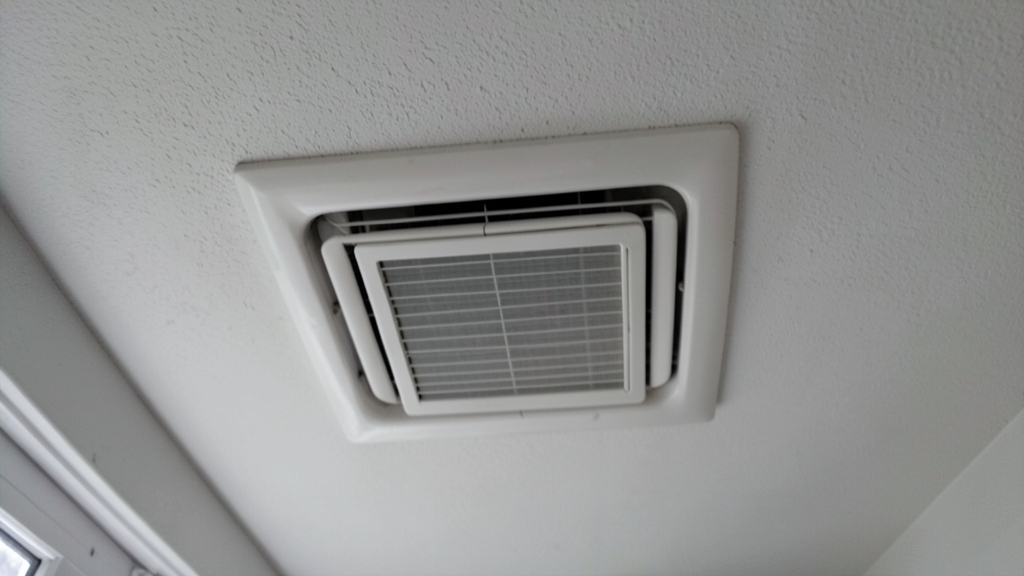
Manhattan’s dense living spaces and fluctuating seasons put unique demands on HVAC systems. Regular air duct inspections are critical to prevent hidden buildup of dust, mold, or debris that can degrade air quality and efficiency. We’ll break down inspection timelines, key triggers, and local considerations to keep your system running at its best.
Why Regular Air Duct Inspections Matter in Urban Homes
Air ducts circulate the same air throughout your space repeatedly. In a city environment, pollutants like pollen, traffic particulates, and construction dust accumulate faster than in suburban areas.
Over time, this buildup restricts airflow, forcing your HVAC to work harder. That means higher energy bills and a shorter lifespan for expensive equipment.
If you notice uneven heating or cooling between rooms, it’s often a sign of obstructed ductwork. Don’t wait for a full breakdown—schedule an inspection.
Recommended Inspection Frequency for Residential Ductwork
For most Manhattan homes, we recommend a professional duct inspection every 2 to 3 years. This aligns with NADCA guidelines and accounts for typical urban air quality.
Households with pets, smokers, or allergy sufferers should shorten this to annually. Pet dander and tobacco residue cling to duct surfaces, accelerating contamination.
Newly renovated spaces or those in high-dust areas like Chelsea or the Financial District may also need more frequent checks. Construction debris can linger in vents for months.
Key Signs It’s Time for an Inspection—Even Sooner
Visible dust or mold around vents is a red flag. If you’re wiping down registers weekly, your ducts likely need attention.
Musty odors when the HVAC kicks on often indicate mold or mildew growth. Manhattan’s humidity spikes in summer can exacerbate this, especially in older buildings.
Increased allergy symptoms or respiratory issues among occupants are strong indicators. Poor indoor air quality often stems from contaminated ductwork.
Watch For These Warning Signs
- Dust puffs from vents when HVAC starts
- Persistent musty or stale odors
- Unexplained spikes in energy bills
- Visible mold near duct openings
- Frequent allergy flare-ups indoors
Commercial Spaces: A Different Inspection Cadence
Offices, retail stores, and restaurants in areas like Midtown or Harlem face heavier foot traffic and higher occupancy. These spaces typically require inspections every 1 to 2 years.
Kitchen exhaust systems in restaurants need even more frequent attention—often quarterly—to prevent grease buildup and fire hazards. Local fire codes may mandate this.
Commercial ductwork is larger and more complex, but the same principles apply: cleaner ducts mean better air quality and lower operational costs.
How Manhattan’s Climate Affects Duct Inspection Needs
Our city’s extreme seasonal shifts—from freezing winters to humid summers—stress HVAC systems. Frequent cycling between heating and cooling can loosen debris in ducts.
High humidity in summer promotes mold growth, while winter’s dry air can stir up dust. Both scenarios demand proactive inspections, especially in older buildings with aging ductwork.
Neighborhoods near water, like the Upper West Side, may see more moisture-related issues. Proper sealing and insulation during inspections can mitigate these risks.
If your ducts show signs of condensation or water damage, act immediately. Mold can spread rapidly in these conditions, requiring professional remediation.
DIY vs. Professional Inspections: What’s the Difference?
A visual check of accessible vents and registers can be done yourself. Look for dust, debris, or blockages, but remember this only covers a small portion of the system.
Professionals use specialized tools like borescopes and cameras to inspect deep into the ductwork. We also test for airflow, leaks, and microbial growth that DIY methods miss.
| Aspect | DIY Inspection | Professional Inspection |
|---|---|---|
| Scope | Visible vents and registers only | Entire duct system, including hidden sections |
| Tools Used | Flashlight, mirror | Borescope, cameras, airflow meters |
| Mold Detection | Visual signs only | Lab testing for spores and microbial growth |
| Leak Detection | Not possible | Pressure testing and thermal imaging |
| Cost | Free | Varies; request a quote for details |
What Happens During a Professional Duct Inspection?
Our team starts with a thorough visual assessment of all accessible components, including supply and return ducts, registers, and grilles.
We then use diagnostic tools to measure airflow, check for leaks, and assess the cleanliness of the system. This includes inspecting the blower, coils, and drain pans.
If we find significant contamination, we’ll recommend cleaning or treatments like UV sanitization or mold remediation. Indoor air quality testing may also be advised.
Pairing Inspections with Related Services for Maximum Impact
An inspection often reveals the need for complementary services. Dryer vent cleaning, for example, is critical in multi-unit buildings to prevent lint buildup and fire risks.
HVAC coil cleaning improves efficiency and air quality, while UV light treatments can neutralize mold and bacteria. For severe cases, mold and mildew duct treatment may be necessary.
Regular air filter replacement is a simple but effective way to extend the time between inspections. We recommend high-efficiency filters for Manhattan’s urban air.
How to Prepare for a Professional Duct Inspection
A little prep ensures our team can work efficiently and thoroughly.
- 1Clear the Area
Move furniture, rugs, or stored items away from vents and HVAC equipment to provide unobstructed access.
- 2Change the Air Filter
Replace the filter before the inspection so our team can assess the system’s baseline cleanliness.
- 3Note Problem Areas
Jot down any rooms with poor airflow, odd smells, or temperature inconsistencies to share with the technician.
- 4Secure Pets
Keep pets in a separate area to ensure their safety and avoid distractions during the inspection.
- 5Turn Off the HVAC
Switch off the system at the thermostat before the technician arrives to allow for a safe, accurate inspection.
Frequently Asked Questions
How long does a professional air duct inspection take in Manhattan?
A typical residential inspection takes 1 to 2 hours, depending on the size of your home and the complexity of your HVAC system. Commercial spaces may require additional time due to larger ductwork and equipment.
Can air duct inspections help with high energy bills?
Absolutely. Clogged or leaky ducts force your HVAC to work harder, increasing energy consumption. An inspection identifies these issues so they can be addressed, often leading to noticeable savings.
Are air duct inspections required by law in New York City?
While residential inspections aren’t mandated, commercial buildings—especially those with kitchen exhaust systems—must comply with local fire and health codes, which often include duct maintenance requirements.
What’s the difference between an inspection and a cleaning?
An inspection assesses the condition of your ductwork, identifying problems like blockages, leaks, or contamination. Cleaning involves physically removing debris and sanitizing the system. Inspections often precede cleanings to determine if they’re necessary.
Do newer buildings in Manhattan need duct inspections less often?
Not necessarily. While newer systems may start cleaner, poor installation, construction debris, or high occupancy can still lead to contamination. We’ve seen brand-new buildings in the Upper East Side require early inspections due to these factors.
How can I tell if my ducts need cleaning after an inspection?
If the inspection reveals significant dust, mold, or debris buildup, cleaning is likely recommended. Other signs include reduced airflow, persistent odors, or visible contamination. Our team will provide a detailed report with recommendations.