Boost HVAC Efficiency with Professional Air Duct Cleaning in Manhattan
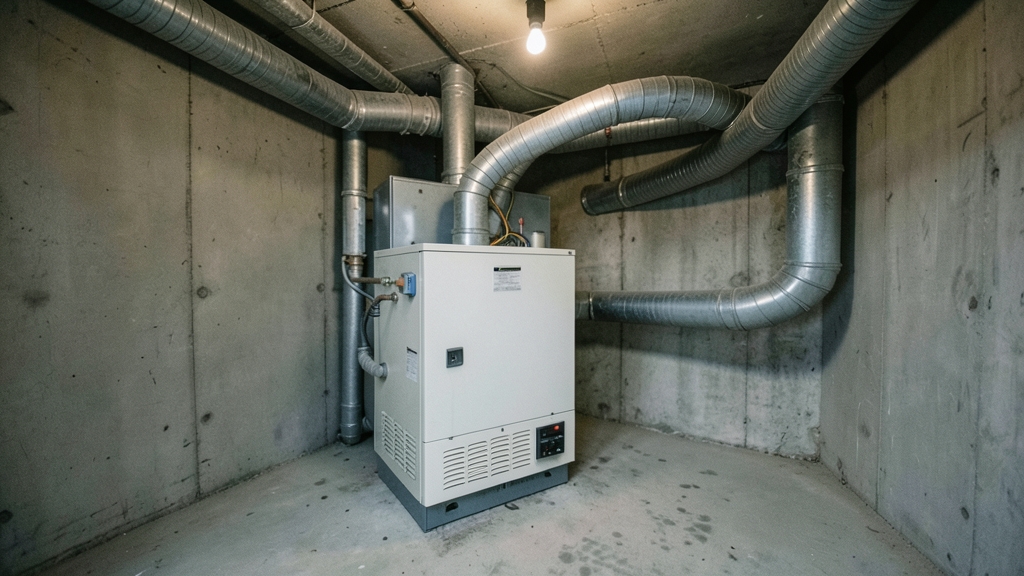
Your HVAC system works harder when ducts are clogged with dust, debris, or mold. In dense urban spaces, these contaminants build up faster, reducing airflow and spiking energy use. We’ll show you how professional air duct cleaning restores efficiency and indoor air quality.
Why Clean Ducts Directly Impact HVAC Efficiency
Clogged ducts force your blower motor to work overtime, increasing energy consumption and wear. Even a thin layer of dust on coils can reduce heat transfer by up to 30%.
Restricted airflow also lowers your system’s SEER rating, making it less effective at cooling or heating. In older Manhattan buildings, aging ductwork exacerbates these issues.
Signs Your Ducts Are Hurting HVAC Performance
Uneven temperatures between rooms often signal blocked or leaking ducts. If some spaces feel stuffy while others are drafty, your ductwork may be the culprit.
Higher utility bills without a clear cause are another red flag. Dust blowing from vents, musty odors, or visible mold near registers also indicate it’s time for a cleaning.
Common Efficiency Killers in Duct Systems
- Dust and debris buildup in supply/return ducts
- Mold or mildew growth in damp sections
- Crushed or disconnected duct segments
- Poorly sealed joints leaking conditioned air
How Professional Cleaning Restores Airflow
We use high-powered vacuums and agitation tools to dislodge contaminants from every inch of your ductwork. Negative air machines ensure debris is captured, not redistributed.
For stubborn mold or bacteria, we apply EPA-approved antimicrobial treatments. In high-rise apartments, we adapt our equipment to navigate tight vertical shafts.
In buildings with shared HVAC systems, like those in Chelsea or the Financial District, individual unit cleanings are just the start. Common ductwork often needs attention too.
Duct Cleaning vs. DIY: What You Miss
Consumer-grade vacuums can’t reach deep into ductwork or remove embedded contaminants. DIY methods often push dust further into the system, worsening the problem.
Professionals also inspect for hidden issues like damaged insulation or pest intrusions. In older neighborhoods like Harlem or the Upper West Side, rodent nests in ducts are more common than you’d think.
| Factor | Professional Service | DIY Approach |
|---|---|---|
| Equipment | HEPA vacuums, brushes, air whips | Household vacuum, basic tools |
| Reach | Entire system, including trunk lines | Surface-level only |
| Contaminant Removal | Dust, mold, bacteria, pests | Visible dust only |
| Safety | EPA-approved treatments, PPE | Risk of exposure to mold/spores |
| Inspection | Full system assessment | No structural checks |
Related Services That Boost Efficiency Further
Dryer vent cleaning prevents lint buildup that restricts airflow and poses fire risks. In tight Manhattan apartments, these vents often run long, winding paths to the exterior.
HVAC coil cleaning removes grime that insulates coils, reducing their ability to transfer heat. UV light treatments add a layer of protection against mold and bacteria regrowth.
For commercial spaces, we scale our methods to handle larger systems, ensuring businesses in the Financial District or Upper East Side maintain optimal air quality.
If allergies or respiratory issues persist after cleaning, we recommend indoor air quality testing. This identifies hidden pollutants like VOCs or excessive pollen.
Manhattan-Specific Challenges for Duct Systems
Urban pollution and high foot traffic introduce more particulates into buildings. Construction dust from nearby projects in areas like Midtown can quickly clog filters and ducts.
Older buildings often have poorly sealed or uninsulated ducts, leading to energy loss. Humidity from summer heat waves can also promote mold growth in ductwork if not properly managed.
Maintenance Tips to Sustain Efficiency Gains
Replace air filters every 1-3 months, especially during peak cooling or heating seasons. Use high-MERV filters (11-13) for better particulate capture without restricting airflow.
Schedule annual HVAC inspections to catch minor issues before they escalate. Consider adding a UV light system if mold is a recurring problem.
How to Prepare for a Professional Duct Cleaning
A little prep ensures our team can work efficiently and thoroughly.
- 1Clear the Area
Move furniture, rugs, or decor near vents and returns to give technicians full access. This also protects your belongings from dust.
- 2Secure Pets
Keep pets in a separate room. The noise and activity can stress them, and loose pets may interfere with equipment.
- 3Turn Off HVAC
Switch your system off at the thermostat 30 minutes before the appointment. This prevents dust from circulating during cleaning.
- 4Point Out Concerns
Note any problem areas like musty odors, uneven heating/cooling, or visible mold. Share this with the technician upfront.
- 5Plan for Access
Ensure technicians can reach all vents, including those in closets or behind furniture. Unlock any service panels or utility closets.
Frequently Asked Questions
How often should I clean my air ducts in Manhattan?
We recommend every 3-5 years for most homes, but high-traffic or older buildings may need it every 2-3 years. If you notice dust buildup, odors, or efficiency drops, don’t wait—schedule a cleaning.
Can dirty ducts really increase my energy bills?
Absolutely. The U.S. Department of Energy estimates that 25-40% of energy used for heating or cooling is wasted due to contaminated or leaky ducts. Clean ducts improve airflow, reducing runtime and costs.
Is air duct cleaning messy?
Not with professionals. We use contained systems that trap debris at the source, and we lay down protective coverings. Any residual dust is minimal and easily cleaned up.
Do I need duct cleaning if I just moved into a new Manhattan apartment?
Yes, especially in new constructions or renovations. Drywall dust, sawdust, and construction debris often linger in ducts. Even in newer buildings, previous tenants may have left contaminants behind.
What’s the difference between duct cleaning and HVAC coil cleaning?
Duct cleaning focuses on the ductwork itself, while coil cleaning targets the evaporator and condenser coils in your HVAC unit. Both are critical for efficiency, but coils often need more frequent attention due to moisture exposure.
Does duct cleaning help with allergies?
Yes, by removing dust mites, pollen, pet dander, and mold spores from your ductwork. For severe allergies, we also recommend indoor air quality testing and UV sanitization treatments.