How Poor Indoor Air Quality in Manhattan Offices Hurts Employee Productivity
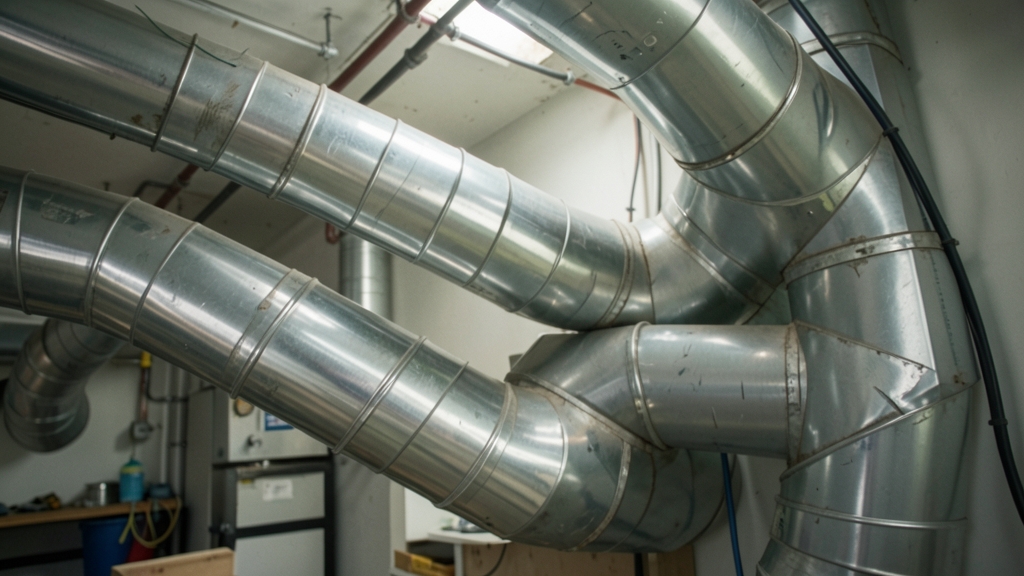
Manhattan’s dense commercial spaces often trap pollutants in poorly maintained ductwork, directly affecting employee well-being. We’ve seen firsthand how stagnant air in offices leads to fatigue, allergies, and reduced focus—problems that vanish after thorough air duct and HVAC coil cleaning.
Why Manhattan Offices Struggle With Indoor Air Quality
Older buildings in areas like the Financial District or Midtown often have aging HVAC systems that circulate dust, mold, and debris. These contaminants build up in ductwork over time, especially in high-traffic environments.
The city’s humid summers and dry winters exacerbate the issue. Moisture in ducts promotes mold growth, while heating systems in winter stir up settled particles, degrading air quality further.
The Direct Link Between Air Quality and Productivity
Studies show that poor indoor air quality reduces cognitive function by up to 15%. Employees in affected spaces report more headaches, fatigue, and difficulty concentrating—classic signs of sick building syndrome.
In open-plan offices common in Chelsea or the Upper East Side, shared air systems spread contaminants faster. Even minor irritants like dust mites or VOCs from cleaning products can trigger reactions that disrupt workflow.
Common Contaminants Hiding in Office Ducts
Dust and debris are just the start. Mold spores thrive in damp ducts, especially after leaky coils or poor drainage. These spores release mycotoxins that aggravate respiratory issues.
Bacteria, pollen, and even rodent droppings can accumulate in neglected systems. In older buildings near Harlem or the Upper West Side, pest intrusions are more likely due to aging infrastructure.
| Contaminant | Source | Health Impact |
|---|---|---|
| Dust mites | Poor filtration, fabric furniture | Allergies, asthma |
| Mold spores | Moisture in ducts, leaky coils | Respiratory infections, fatigue |
| VOCs | Cleaning products, office supplies | Headaches, nausea |
| Bacteria | Stagnant water, organic debris | Infections, sick building syndrome |
| Particulate matter (PM2.5) | Outdoor pollution, construction dust | Reduced lung function, cognitive decline |
Signs Your Office Ducts Need Professional Cleaning
Visible dust blowing from vents is a red flag. If employees sneeze more near air outlets or complain of dry eyes, it’s time for an inspection.
Musty odors, especially after the HVAC kicks on, often signal mold. Uneven airflow or rising energy bills can also indicate clogged ducts restricting system efficiency.
When to call in the experts
- Dust piles around vents or on furniture
- Persistent musty or stale odors
- Increased allergy or asthma symptoms among staff
- Visible mold growth in or around ducts
- Higher-than-normal energy costs
How Professional Duct Cleaning Restores Air Quality
We use high-powered vacuums and agitation tools to dislodge debris from every inch of your ductwork. Negative air pressure ensures contaminants are captured, not redistributed.
For stubborn mold or bacteria, we apply EPA-approved sanitizers. UV light treatment can be added to HVAC systems to neutralize airborne pathogens continuously.
Combine duct cleaning with HVAC coil cleaning and dryer vent cleaning. Clean coils improve efficiency, while clear dryer vents prevent fire hazards and lint buildup in shared laundry spaces.
Beyond Ducts: Comprehensive IAQ Solutions for Offices
Indoor air quality testing identifies specific pollutants and their concentrations. This data helps us tailor solutions, like upgrading to HEPA filters or installing dedicated air purifiers.
In commercial spaces, we often recommend scheduled maintenance. Quarterly filter replacements and bi-annual duct inspections keep systems running optimally, especially in high-occupancy areas.
The ROI of Clean Air: Healthier Employees, Higher Output
Reducing absenteeism is just the start. Employees in clean-air environments report better focus and fewer errors. For Manhattan businesses, this translates to measurable gains in productivity and morale.
Long-term, proactive duct maintenance extends HVAC lifespan and cuts energy costs. The upfront investment in cleaning pays off in lower operational expenses and a healthier workplace.
Store-bought duct cleaning kits often miss hidden contaminants and can damage ducts. Improper cleaning may dislodge mold spores without containing them, worsening the problem.
How to Improve Office Air Quality Before Professional Cleaning
Take these steps to mitigate issues while scheduling a full duct inspection.
- 1Upgrade air filters
Switch to high-MERV (11-13) filters to capture finer particles. Replace them every 1-3 months, depending on office size and occupancy.
- 2Increase ventilation
Open windows when possible, and ensure HVAC fans run continuously to circulate and filter air.
- 3Control humidity
Use dehumidifiers in damp areas to keep moisture levels between 30-50%, inhibiting mold growth.
- 4Reduce indoor pollutants
Opt for low-VOC cleaning products and store chemicals in ventilated areas away from air intakes.
- 5Schedule regular maintenance
Book professional inspections for ducts, coils, and vents at least once a year, or more often in high-traffic buildings.
Frequently Asked Questions
How often should Manhattan offices have their air ducts cleaned?
Most commercial spaces benefit from cleaning every 3-5 years, but high-traffic offices or those in older buildings may need it every 2 years. Factors like recent renovations, visible mold, or employee health complaints can warrant earlier service.
Can dirty ducts really make employees sick?
Absolutely. Contaminants like mold, bacteria, and dust mites trigger allergies, asthma, and respiratory infections. Poor IAQ is also linked to headaches, fatigue, and reduced cognitive performance—common in sick building syndrome.
What’s the difference between residential and commercial duct cleaning?
Commercial systems are larger, more complex, and often serve multiple floors. We use industrial-grade equipment and follow stricter protocols to handle higher contaminant loads and ensure minimal disruption to business operations.
Do you serve offices in the Financial District or Upper East Side?
Yes, we work across Manhattan, including the Financial District, Upper East Side, Chelsea, and Harlem. Our team is familiar with the unique challenges of older buildings and high-rise offices in these areas.
Will duct cleaning reduce our energy bills?
Clean ducts improve airflow, allowing your HVAC system to operate more efficiently. While savings vary, many offices see a noticeable reduction in energy costs after removing blockages and buildup.
Is UV sanitization worth it for office HVAC systems?
For offices with persistent IAQ issues or high occupancy, UV lights are highly effective. They neutralize mold, bacteria, and viruses in the air stream, providing ongoing protection between cleanings.