Rooftop Unit Duct Cleaning Schedule for Maximum Efficiency in Manhattan
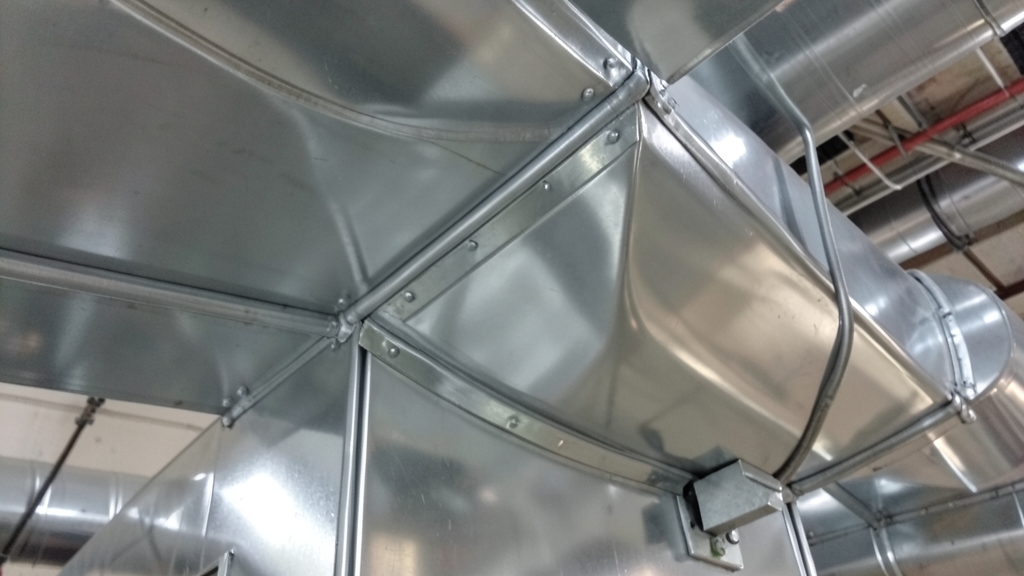
Manhattan’s dense urban landscape relies heavily on rooftop units to keep buildings comfortable year-round. Without a tailored seasonal cleaning schedule, these systems accumulate contaminants that slash efficiency and degrade air quality. We’ll break down the optimal timeline and techniques to keep your RTU performing at peak levels.
Why Rooftop Units Need Seasonal Duct Cleaning
Rooftop units, or RTUs, are the workhorses of Manhattan’s commercial and residential HVAC systems. Their exposed location means they’re constantly battling dust, pollen, and exhaust fumes from the city’s busy streets.
Over time, these contaminants clog supply and return ducts, reducing airflow and forcing the system to work harder. In humid summer months, moisture can also promote mold growth in condensate pans and ductwork, further compromising indoor air quality.
Ignoring seasonal cleaning can lead to energy waste, premature equipment failure, and costly repairs. In extreme cases, mold spores can spread through the ductwork, requiring full remediation.
Manhattan’s Climate and Its Impact on RTUs
Our city’s climate swings from freezing winters to sweltering summers, with high humidity in between. These conditions accelerate debris buildup in ducts and coils, especially in neighborhoods like the Financial District and Chelsea, where construction dust is prevalent.
Winter brings its own challenges: heating coils can become caked with dust, while poor insulation in older buildings leads to condensation. This moisture, combined with organic debris, creates an ideal environment for mold and mildew.
Spring: The Critical Cleaning Season
Spring is the most important time to clean rooftop unit ducts in Manhattan. Pollen counts spike, and winter’s accumulated dust and debris need to be removed before the cooling season begins.
We recommend a full duct inspection and cleaning, including supply and return ducts, coils, and blower wheels. This ensures optimal airflow and prevents contaminants from circulating as AC usage ramps up.
Spring RTU Cleaning Checklist
- Inspect and clean supply and return ducts
- Clean evaporator and condenser coils
- Check and replace air filters
- Inspect blower wheels and motors for debris
- Clear condensate pans and drains
Summer: Maintaining Peak Performance
During summer, RTUs in Manhattan run almost nonstop. High humidity and heat can lead to moisture buildup in ducts, promoting mold and mildew growth if not addressed.
Monthly filter replacements are a must, and we advise a mid-season inspection to ensure no blockages or microbial growth are affecting performance. UV light sanitization can also help control mold spores in high-risk systems.
Consider scheduling a mid-summer coil cleaning if your RTU is struggling to maintain temperature. Dirty coils can reduce efficiency by up to 30%.
Fall: Preparing for the Heating Season
As temperatures drop, it’s time to prepare your RTU for heating mode. Fall cleaning should focus on removing summer dust and pollen, as well as checking for any pest intrusions that may have occurred during warmer months.
This is also the ideal time to inspect ductwork for leaks or damage, which can waste energy and reduce heating efficiency. In areas like the Upper East Side and Upper West Side, older buildings may need extra attention to seal gaps.
Winter: Protecting Against Cold and Contaminants
Winter in Manhattan brings dry air and freezing temperatures, but RTUs still need attention. Dust and debris from fall can clog filters and ducts, while heating coils may accumulate soot or other particles.
A winter maintenance check should include filter replacement, duct inspection, and cleaning of heating coils. This keeps the system running efficiently and prevents indoor air quality issues during the colder months.
RTU Cleaning Methods: What Works Best?
Not all cleaning methods are equal. For rooftop units, we use a combination of high-powered vacuum systems and rotary brushes to dislodge and remove debris from ducts. Negative air pressure ensures contaminants are captured, not spread.
For coils and blower wheels, specialized tools and cleaning agents are required to break down stubborn buildup without damaging components. UV light treatment can be added for systems prone to microbial growth.
| Method | Best For | Limitations |
|---|---|---|
| High-Powered Vacuum + Brushes | Ductwork, general debris | May not reach deep crevices |
| Steam Cleaning | Coils, mold/mildew | Requires drying time, risk of moisture damage |
| Chemical Coil Cleaners | Heavy grease or oil buildup | Must be non-corrosive, proper disposal needed |
| UV Light Treatment | Mold/mildew prevention | Does not remove existing debris |
Signs Your RTU Needs Immediate Attention
Unusual noises, reduced airflow, or a sudden spike in energy bills can all signal that your rooftop unit needs cleaning. Musty odors are a red flag for mold or mildew in the ducts or condensate pan.
Visible dust or debris around vents, or inconsistent heating/cooling across zones, also warrant a professional inspection. In commercial settings, poor indoor air quality can lead to employee health complaints, especially in densely occupied spaces.
How to Inspect Your Rooftop Unit Between Cleanings
Regular inspections can help you catch issues early and extend the time between professional cleanings.
- 1Check Air Filters
Remove and inspect filters monthly. Replace if clogged or dirty. In high-traffic areas like Harlem, filters may need more frequent changes.
- 2Inspect Vents and Registers
Look for dust buildup or blockages around supply and return vents. Use a flashlight to check for visible debris inside the ducts.
- 3Listen for Unusual Noises
Turn on the RTU and listen for rattling, grinding, or whistling sounds, which may indicate loose components or airflow restrictions.
- 4Monitor Airflow
Hold a tissue near the vents. Weak airflow suggests a clogged filter, duct obstruction, or failing blower motor.
- 5Check for Moisture or Mold
Inspect condensate pans and around coils for standing water or mold growth. Musty smells near vents are a warning sign.
- 6Review Energy Bills
Compare current energy costs to previous months. A sudden increase may signal inefficiency due to dirty ducts or coils.
Frequently Asked Questions
How often should rooftop unit ducts be cleaned in Manhattan?
We recommend a full duct cleaning every 3-5 years, with seasonal inspections and maintenance. However, high-traffic commercial buildings or those in dusty areas like Chelsea may need more frequent cleaning.
Can dirty RTU ducts affect indoor air quality?
Absolutely. Dirty ducts circulate dust, pollen, mold spores, and other contaminants, which can trigger allergies, respiratory issues, and poor indoor air quality. Regular cleaning and air filter replacement help mitigate these risks.
What’s the difference between duct cleaning and coil cleaning?
Duct cleaning focuses on removing debris from the ductwork, while coil cleaning targets the evaporator and condenser coils, which can become clogged with dust and reduce heat transfer efficiency. Both are essential for RTU performance.
Is UV light treatment necessary for Manhattan RTUs?
UV light treatment isn’t always necessary, but it’s highly effective for systems prone to mold or mildew, especially in humid environments. It’s a great additive service for buildings in areas with high humidity or poor ventilation.
Do you offer commercial duct cleaning for rooftop units in Manhattan?
Yes, our team specializes in commercial duct cleaning, including rooftop units for offices, retail spaces, and multi-family buildings. We also provide HVAC coil cleaning, dryer vent cleaning, and indoor air quality testing.
How long does a rooftop unit duct cleaning take?
The duration depends on the size of the system and the level of contamination. A standard commercial RTU cleaning typically takes 4-8 hours. For larger buildings or heavily soiled systems, it may take longer. Request a quote for a precise estimate.