Safe Air Duct Cleaning Practices for Asbestos in Older Manhattan Buildings
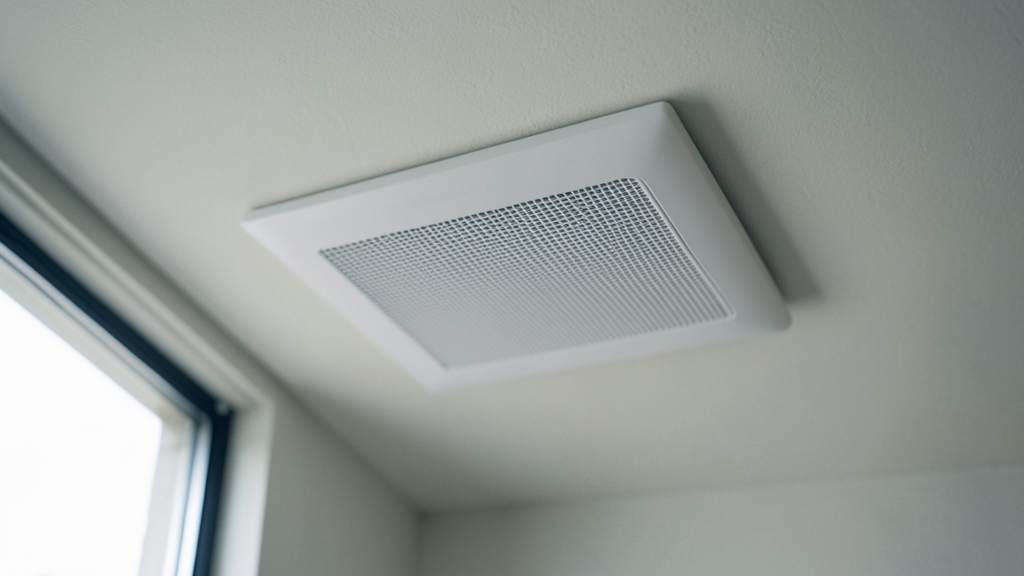
Older buildings across Manhattan—especially in neighborhoods like the Upper East Side and Harlem—often hide a silent hazard: asbestos in ductwork or insulation. We specialize in safe, compliant air duct cleaning that prioritizes health and structural integrity, never cutting corners with this toxic material.
Why Asbestos Is Still a Concern in Manhattan Ducts
Asbestos was widely used in HVAC systems before the 1980s for its heat resistance and durability. In Manhattan, pre-war and mid-century buildings frequently contain asbestos in duct insulation, fiberboard, or mastic sealants.
When disturbed, asbestos fibers become airborne, posing severe respiratory risks. This is why standard duct cleaning methods—like high-pressure air whips or brushes—can be dangerous if asbestos is present.
How to Identify Potential Asbestos in Your Ductwork
Visual inspection alone isn’t enough. Asbestos-containing materials (ACMs) often resemble grayish-white insulation or textured coatings. Common locations include duct joints, elbows, and boiler room connections.
The only definitive method is professional testing by an EPA-certified lab. We partner with licensed inspectors to confirm the presence of asbestos before any cleaning or HVAC coil cleaning begins.
Disturbing suspected asbestos without testing releases fibers into your air. Always consult a licensed professional before touching old ductwork.
Safe Cleaning Methods for Asbestos-Containing Ducts
If asbestos is confirmed, traditional cleaning is off the table. Instead, we use HEPA-equipped vacuums and wet-wiping techniques to minimize fiber release during minor maintenance.
For heavily contaminated systems, encapsulation or full abatement may be required. These methods seal or remove ACMs entirely, often paired with indoor air quality testing afterward.
Encapsulation vs. Abatement: What Manhattan Buildings Need
Encapsulation involves sealing asbestos with a specialized coating, preventing fiber release. It’s cost-effective for intact, non-friable materials and common in Upper West Side brownstones with limited duct access.
Abatement is the complete removal of ACMs, typically reserved for damaged or high-risk systems. This requires containment, negative air pressure, and disposal per NYC and federal regulations.
| Factor | Encapsulation | Abatement |
|---|---|---|
| Cost | Lower (materials/labor) | Higher (labor, disposal, permits) |
| Duration | 1-2 days | 3-7 days (or longer for large systems) |
| Long-term solution | Temporary (10-15 years) | Permanent |
| Best for | Intact, non-friable ACMs | Damaged or high-exposure areas |
| Regulatory compliance | Must meet EPA/OSHA standards | Strict NYC DEP oversight |
Manhattan-Specific Challenges: Climate and Building Age
Our humid summers and cold winters accelerate duct deterioration. In older Financial District offices or Chelsea lofts, fluctuating temperatures can crack asbestos-containing mastic, increasing fiber release risks.
Seasonal HVAC use also stirs up settled dust. That’s why we recommend indoor air quality testing before and after any duct or dryer vent cleaning in these buildings.
Schedule annual visual inspections for pre-1980s ductwork, especially after major storms or renovations that may disturb hidden ACMs.
Legal and Safety Compliance in NYC
New York City has strict asbestos handling laws. Any disturbance of ACMs in ducts requires notification to the NYC Department of Environmental Protection (DEP) and adherence to EPA’s NESHAP regulations.
Our team holds all required certifications for asbestos abatement and duct cleaning. We also coordinate with building management to ensure compliance in multi-unit properties.
Post-Cleaning Steps: Ensuring Long-Term Air Quality
After asbestos remediation or encapsulation, we perform a thorough cleanup with HEPA vacuums and air scrubbers. This is followed by clearance testing to confirm fiber levels meet safety standards.
For added protection, consider UV light and sanitization treatments or air filter replacements to maintain clean ductwork. These services are especially valuable in densely populated areas like Harlem, where outdoor pollutants can infiltrate HVAC systems.
Post-Asbestos Duct Cleaning Checklist
- HEPA vacuum all surfaces and vents
- Seal and dispose of contaminated materials per regulations
- Conduct clearance air testing
- Replace HVAC filters with high-MERV options
- Schedule follow-up indoor air quality testing in 6 months
How to Prepare for Asbestos Duct Testing in Your Building
Proper preparation ensures accurate results and minimizes risks.
- 1Hire a Licensed Inspector
Choose an EPA-certified asbestos inspector with experience in HVAC systems. Avoid companies that offer both testing and remediation to prevent conflicts of interest.
- 2Clear the Area
Remove furniture, rugs, and personal items near duct access points. This allows inspectors to safely collect samples without cross-contamination.
- 3Shut Down HVAC Systems
Turn off all heating and cooling systems at least 24 hours before testing. This prevents fibers from spreading during sample collection.
- 4Notify Building Occupants
Inform tenants or employees about the testing schedule. While non-invasive, sampling may require temporary access to apartments or offices.
- 5Review the Report
Request a detailed lab report with fiber counts and material descriptions. Use this to plan next steps, whether it’s encapsulation, abatement, or standard duct cleaning.
Frequently Asked Questions
Can asbestos be removed from ducts without replacing them?
Yes, but only if the material is non-friable and intact. Encapsulation is often the preferred method for preserving ductwork in older Manhattan buildings. Abatement is required for damaged or friable asbestos.
How often should I test for asbestos in my building’s ducts?
Test before any major HVAC work, renovations, or if the building was constructed before 1980. Additionally, retest every 3-5 years or after any duct damage or water intrusion.
Is it safe to live in a building with encapsulated asbestos ducts?
Yes, if performed correctly. Encapsulation seals the asbestos, preventing fiber release. However, the coating must be inspected periodically for wear or damage, especially in high-traffic areas like commercial spaces.
What’s the difference between asbestos abatement and duct cleaning?
Asbestos abatement involves the removal or encapsulation of ACMs, while duct cleaning focuses on removing dust and debris. If asbestos is present, standard cleaning methods are unsafe and illegal without proper remediation first.
Do newer Manhattan buildings have asbestos in their ducts?
Unlikely. Asbestos was banned in most building materials by the late 1970s. However, some materials installed before the ban may still be present. Always verify with a professional inspection.
Can asbestos in ducts affect my indoor air quality even if undisturbed?
Yes. Over time, asbestos fibers can become airborne due to vibration, temperature changes, or deterioration. This is why regular air quality testing is critical in older buildings, even if ducts appear undamaged.