Signs Your Building’s Ductwork Needs Attention in Manhattan
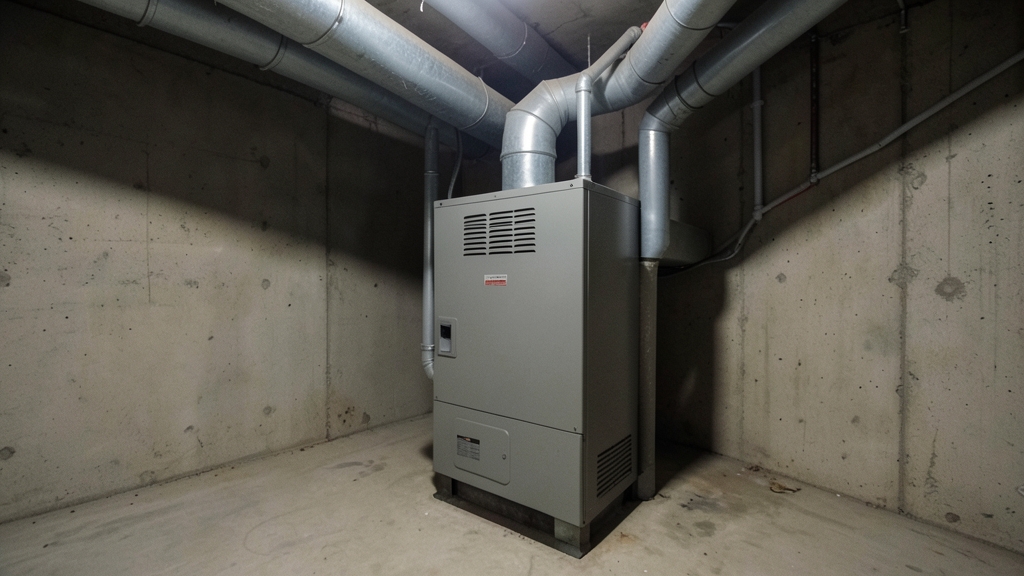
Your building’s ductwork is the lungs of its HVAC system, and in a dense, high-traffic city, those lungs take a beating. Ignoring early warning signs can lead to poor indoor air quality, higher energy costs, and even system failure—especially in older Manhattan buildings with aging infrastructure.
Visible Dust and Debris Around Vents
If you notice dust puffing out when the system kicks on, or see dark streaks around supply registers, it’s a clear sign of buildup inside the ducts. This isn’t just unsightly—it’s circulating through your space every day.
In pre-war buildings common in the Upper West Side or Financial District, original ductwork may lack proper sealing, accelerating dust accumulation. Regular cleaning prevents this from becoming a systemic issue.
Household vacuums can’t reach deep into duct runs and may dislodge contaminants without fully removing them. Professional tools like high-powered truck-mounted vacuums and rotary brushes are required for thorough cleaning.
Unexplained Allergies or Respiratory Issues
Increased sneezing, coughing, or itchy eyes indoors—especially in spring or fall—often trace back to allergens trapped in ductwork. Manhattan’s seasonal pollen and street-level dust exacerbate this.
Mold spores, pet dander, and even rodent droppings can linger in ducts, triggering reactions. If symptoms improve when you leave the building, the ducts are likely culprits.
Musty Odors or Lingering Smells
A persistent musty smell usually indicates mold or mildew growth, common in humid Manhattan summers or after water leaks. Ducts provide the perfect dark, damp environment for spores to thrive.
Cooking odors or cigarette smoke from neighboring units in multi-family buildings can also get trapped and recirculated. These odors won’t disappear until the ducts are cleaned and sanitized.
After cleaning, we often apply EPA-approved antimicrobial treatments to prevent regrowth. This is especially critical in older buildings in Harlem or Chelsea with a history of moisture issues.
Inconsistent Airflow or Temperature Swings
Some rooms feel stuffy while others are drafty? Blocked or collapsed ducts restrict airflow, forcing your HVAC to work harder. This is common in high-rises where duct runs are long and complex.
If certain areas never reach the set temperature, it could also signal a damaged duct or a clogged coil. HVAC coil cleaning often restores efficiency when duct cleaning alone doesn’t solve the issue.
Rising Energy Bills Without Explanation
Clogged ducts make your system labor to push air through, spiking energy use. In Manhattan, where electricity costs are high, this can add up fast.
The U.S. Department of Energy estimates that 25-40% of energy used for heating or cooling is wasted due to poor duct performance. Clean ducts improve efficiency and extend HVAC lifespan.
Pest Infestations or Droppings
Rodents or insects in ductwork are more common than you think, especially in older Manhattan buildings with gaps in the system. Droppings, nests, or even dead pests create health hazards and foul odors.
Pest activity can also damage duct linings or insulation, reducing efficiency. If you hear scratching or see evidence near vents, a professional inspection is urgent.
Ductwork Age and Maintenance History
If your building’s ductwork is over 10-15 years old and has never been cleaned, it’s overdue. Manhattan’s dense urban environment accelerates contamination compared to suburban areas.
Even newer systems need attention if they’ve undergone renovations. Construction dust and debris often find their way into ducts, requiring post-renovation cleaning.
| Building Type | Recommended Cleaning Interval | Key Factors |
|---|---|---|
| Single-Family Homes | Every 3-5 years | Pets, allergies, local pollution |
| Multi-Family (5-50 units) | Every 2-3 years | Shared systems, higher occupancy |
| Commercial/Office Buildings | Every 1-2 years | High traffic, IAQ regulations |
| Healthcare Facilities | Annually | Stringent air quality standards |
When to Call in the Pros
If you’ve spotted multiple signs—especially mold, pests, or unexplained health issues—it’s time for a professional assessment. We use cameras to inspect deep into the system, not just the visible sections.
For commercial properties in areas like the Financial District or Upper East Side, regular duct maintenance is often part of lease agreements or insurance requirements. Don’t wait for tenant complaints to act.
Red Flags That Require Attention
- Visible mold growth around vents or inside ductwork
- Rodent or insect droppings in or near ducts
- Unexplained respiratory issues among occupants
- Smoke or fire damage in the building needs immediate cleaning.
How to Inspect Your Ducts for Early Warning Signs
A quick visual and sensory check can reveal whether your ducts need professional attention.
- 1Check the Vents
Remove vent covers and shine a flashlight inside. Look for dust buildup, debris, or signs of mold. If the duct walls are coated in dust, it’s time for a cleaning.
- 2Test Airflow
Hold a tissue near the supply vents when the system is running. Weak airflow or a tissue that doesn’t move much indicates a blockage or duct damage.
- 3Sniff the Air
Turn on the HVAC and stand near the vents. Musty, stale, or unusual odors coming from the ducts are a sign of contamination.
- 4Listen for Noises
Unusual sounds like rattling, whistling, or scratching could mean loose duct sections, pests, or collapsed segments. These require professional diagnosis.
- 5Review Energy Bills
Compare recent energy bills to the same period last year. A spike without increased usage suggests the HVAC is struggling, possibly due to dirty ducts.
Frequently Asked Questions
How long does air duct cleaning take in a typical Manhattan apartment building?
For a standard 1-2 bedroom unit, cleaning usually takes 2-4 hours. Larger buildings or those with complex ductwork may require a full day or more. We’ll provide an estimate after assessing your system’s layout and condition.
Can duct cleaning help with my seasonal allergies?
Absolutely. Removing dust, pollen, and other allergens from your ducts reduces the particles circulating in your air. Many Manhattan residents notice a significant improvement in allergy symptoms after a thorough cleaning, especially in high-pollen seasons.
Is dryer vent cleaning included in air duct cleaning services?
Not always. Dryer vent cleaning is a separate service, though we often recommend doing both at the same time for efficiency. Clogged dryer vents are a fire hazard and can reduce your dryer’s performance.
What’s the difference between residential and commercial duct cleaning?
Commercial systems are larger, more complex, and often subject to stricter regulations. We use industrial-grade equipment and may need to coordinate with building management for access. Commercial duct cleaning also often includes HVAC coil cleaning and air quality testing.
Do I need to leave my home during duct cleaning?
It’s not required, but we recommend staying out of the work area for safety and convenience. The process can be noisy, and we’ll need access to all vents and the HVAC system. For large jobs, some residents prefer to vacate for the day.
How can I maintain clean ducts between professional cleanings?
Change your air filters every 1-3 months, depending on usage and air quality. Use high-quality filters rated for allergens, and consider an indoor air quality test if you notice recurring issues. Regular HVAC maintenance also helps keep ducts cleaner longer.