What to Ask Before Hiring a Duct Cleaning Company in Manhattan
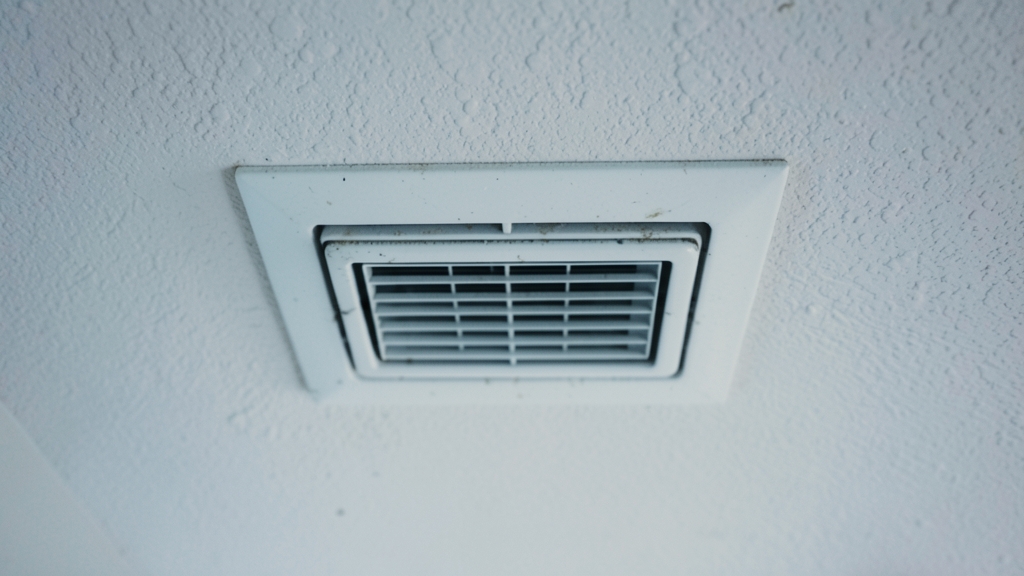
Choosing the right duct cleaning partner in Manhattan isn’t just about price—it’s about expertise, equipment, and accountability. We’ve cleaned thousands of systems from the Upper East Side to Harlem, and these are the questions that separate the professionals from the pretenders.
Are You NADCA-Certified?
NADCA certification means the company follows the Air Duct Cleaning Association’s strict standards for equipment, techniques, and ethics. Without it, you risk subpar work or even damage to your HVAC system.
Full insurance—both liability and workers’ comp—protects you if an accident occurs in your home or building. Always ask for proof before allowing any team on-site.
Avoid any company that hesitates to show certification or insurance documents. Reputable firms provide these upfront.
What Cleaning Method and Equipment Do You Use?
The gold standard is source removal with HEPA-filtered negative air machines. This ensures contaminants are captured, not just redistributed into your living space.
For Manhattan’s older buildings, especially in areas like the Upper West Side, flexible brush systems and high-powered vacuums are essential to navigate tight, aged ductwork without causing damage.
Ask if they use agitation tools like air whips or brushes to dislodge debris. Static methods (e.g., just vacuuming) miss embedded dust and mold.
Do You Inspect Before and After Cleaning?
A thorough pre-inspection with a borescope camera identifies problem areas like mold, pest infestations, or collapsed ducts. This step is critical in high-rise apartments where access is limited.
Post-cleaning verification ensures all debris is removed. Some companies provide before-and-after photos or videos—this transparency is a sign of confidence in their work.
Pre-Inspection Checklist
- Visual inspection of all supply and return vents
- Camera inspection of main trunk lines
- Assessment of HVAC coil and blower cleanliness
- Check for moisture or mold in ductwork
How Do You Handle Mold or Contaminants?
If mold or mildew is detected, the company should offer specialized treatment options, such as antimicrobial fogging or UV light sanitization. This is especially relevant in humid Manhattan summers.
Avoid companies that claim to "kill mold" without addressing the root cause (e.g., moisture). Proper remediation requires fixing the source, not just masking the problem.
For persistent mold issues, pair duct cleaning with Indoor Air Quality Testing to identify spores and allergens lurking in your system.
What’s Included in the Service?
Basic duct cleaning should cover all supply and return ducts, registers, and grilles. But many Manhattan homes need add-ons like dryer vent cleaning or HVAC coil cleaning to fully restore airflow and efficiency.
Commercial spaces, particularly in the Financial District, often require additional services like VAV box cleaning or fire damper inspections to meet building codes.
| Service | Standard | Add-On |
|---|---|---|
| Supply and return duct cleaning | ✓ | |
| Register and grille cleaning | ✓ | |
| HVAC coil and blower cleaning | ✓ | |
| Dryer vent cleaning | ✓ | |
| Mold treatment (antimicrobial) | ✓ | |
| UV light installation | ✓ | |
| Commercial fire damper inspection | ✓ |
How Long Will the Job Take and What’s the Process?
Residential jobs typically take 2–4 hours, depending on the home’s size and duct complexity. Larger spaces, like Chelsea lofts with extensive ductwork, may require a full day.
The process should start with sealing vents to create negative pressure, followed by agitation and vacuuming. Finally, a post-cleaning inspection confirms all debris is removed.
Do You Offer Air Quality Testing?
Post-cleaning Indoor Air Quality Testing verifies improvements in particulate levels, especially valuable for Manhattan residents with allergies or respiratory issues.
Ask about follow-up inspections if issues persist—this is a hallmark of confidence.
What’s the Cost Structure?
Pricing depends on factors like system size, accessibility, and level of contamination. In Manhattan, high-rise access fees or parking permits can also influence the final quote.
Beware of ultra-low bids—these often exclude critical steps like coil cleaning or mold treatment. Always request a detailed, written estimate upfront.
In older buildings like those in Harlem, asbestos or lead paint in ductwork may require specialized (and costlier) abatement. A pre-inspection will flag these.
How to Verify a Duct Cleaning Company’s Credentials
Protect yourself by confirming these key details before signing a contract.
- 1Check NADCA Certification
Visit NADCA’s official directory to confirm the company’s certification status. Look for the certification number on their website or marketing materials.
- 2Verify Insurance
Ask for a certificate of insurance (COI) and call the provider to confirm liability and workers’ compensation coverage are active.
- 3Review Equipment and Methods
Ensure they use HEPA-filtered vacuums and agitation tools. Ask for photos or videos of their equipment in action.
- 4Read Local Reviews
Search for feedback from Manhattan customers, particularly in your neighborhood (e.g., Upper East Side, Financial District). Focus on details about punctuality, thoroughness, and post-service air quality.
- 5Request a Written Estimate
The quote should itemize all services, including add-ons like dryer vent cleaning or mold treatment. Avoid verbal agreements.
Frequently Asked Questions
How often should I have my ducts cleaned in Manhattan?
We recommend every 3–5 years for most homes, but Manhattan’s dense urban environment—with higher pollution and seasonal allergens—may warrant cleaning every 2–3 years. If you notice excessive dust, musty odors, or reduced airflow, schedule an inspection sooner.
Can duct cleaning help with my allergies?
Yes. Removing dust, pet dander, and mold spores from your ductwork can significantly improve indoor air quality. For severe allergies, pair cleaning with Indoor Air Quality Testing and consider UV sanitization or high-efficiency air filters.
Do you service commercial buildings in Manhattan?
Absolutely. We specialize in Commercial Duct Cleaning for offices, retail spaces, and high-rises, including VAV box cleaning and fire damper inspections. These systems often require more frequent attention due to higher occupancy and stricter regulations.
What’s the difference between duct cleaning and dryer vent cleaning?
Duct cleaning focuses on your HVAC system’s airflow paths, while dryer vent cleaning targets the exhaust vent from your dryer to the outdoors. Both are critical—lint buildup in dryer vents is a leading cause of house fires, especially in tight Manhattan apartments.
Will duct cleaning damage my HVAC system?
Not if done correctly. Improper tools or techniques (e.g., excessive pressure or non-HEPA vacuums) can dislodge components or fail to contain debris. Always hire a NADCA-certified team with experience in your system type.
Is UV light treatment worth it for Manhattan homes?
UV light sanitization can be highly effective for killing mold, bacteria, and viruses in your ductwork, particularly in humid months. It’s a worthwhile add-on for households with immune-compromised individuals or persistent odor issues.